Introduction to the ISO Organization
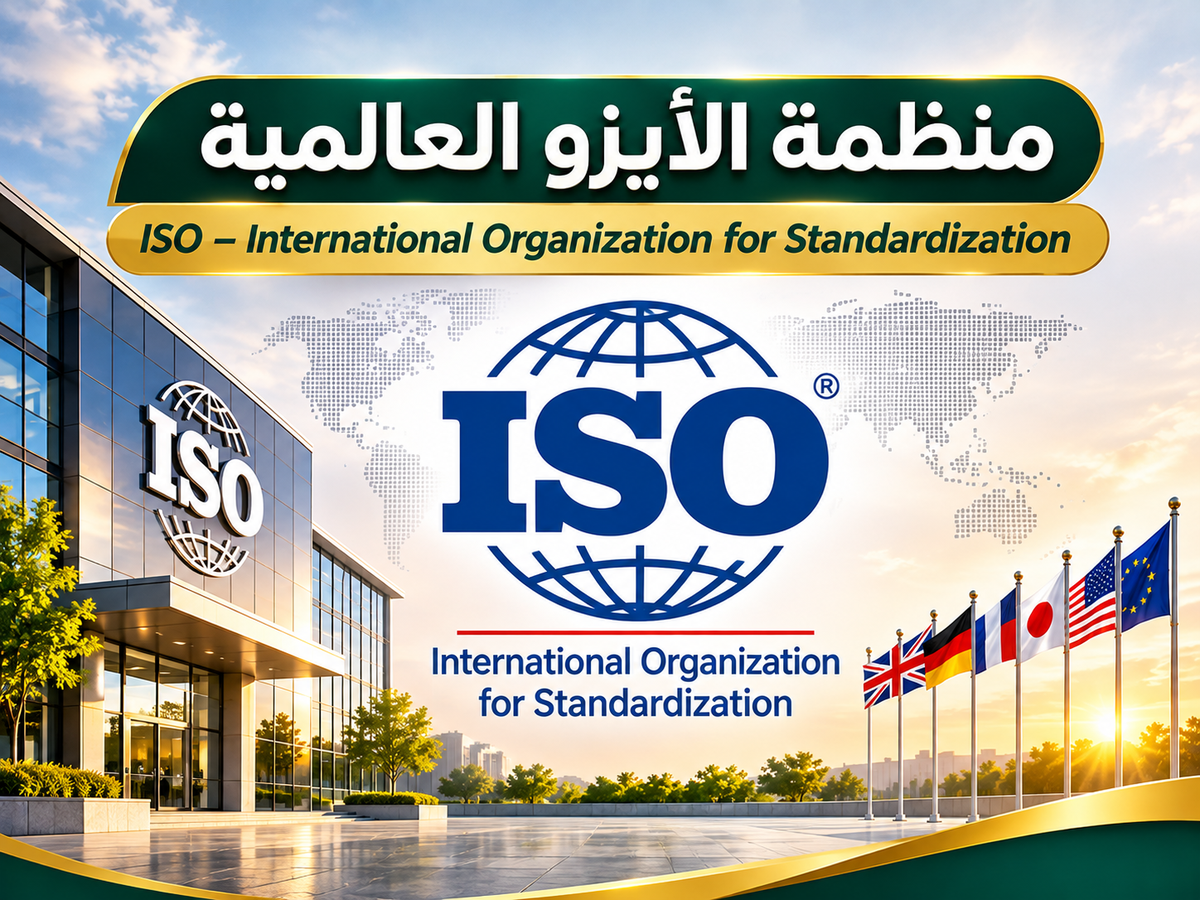
The International Organization for Standardization (ISO) stands as one of the most influential and independent international organizations in the modern world.
Since its founding, ISO has become a global reference point for companies, institutions, and governments striving for excellence and consistency across industries.
Through its wide-ranging framework of internationally recognized standards, the International Organization for Standardization (ISO) ensures quality, efficiency, safety, and sustainability across multiple sectors.
In an era marked by rapid globalization and technological transformation, the need for a unified authority to establish global standards has become more vital than ever.
At this juncture, ISO emerged as a unifying platform that guarantees the compatibility of products, services, and systems worldwide, all while respecting the economic and cultural differences between nations and markets.
Today, ISO serves as a foundation of trust between businesses and consumers by developing internationally recognized standards.
Independent certification bodies assess organizations against applicable ISO standards and issue certifications when conformity is demonstrated.
Importantly, ISO standards are not limited to large corporations.
They also offer a practical and flexible framework for small and medium-sized enterprises (SMEs), helping them compete effectively on the international stage.
What is (ISO)?
The International Organization for Standardization (ISO) is a non-governmental international body dedicated to developing and publishing globally recognized standards.
The name “ISO” is derived from the Greek word isos, meaning equal, symbolizing the organization’s mission to create uniform standards that ensure fairness, balance, and equality across nations and markets.
ISO is an independent international organization that develops and publishes voluntary international standards covering technical, industrial, service, and management system requirements.
Through its internationally developed standards, ISO provides frameworks that help organizations improve the consistency, reliability, and safety of their products and services across different markets.
It’s important to note that ISO does not directly issue certificates to companies.
Instead, it focuses on developing and maintaining standards, while accredited certification bodies in each country are responsible for granting ISO certifications to organizations that comply with these standards.
Establishment of ISO
The International Organization for Standardization (ISO) was officially founded on February 23, 1947, in Geneva, Switzerland, a country known for its neutrality and strategic location in Europe.
Since its inception, ISO has served as the global reference point for creating and developing international standards that shape industries and guide global cooperation.
The organization emerged out of a pressing need following World War II, when the global economy sought a unified structure that could harmonize industrial and commercial standards across nations.
This alignment was crucial to reviving international trade, enhancing collaboration, and ensuring compatibility between products and services in a rapidly rebuilding world.
At the time of its founding, ISO had only 25 member countries, but it has since expanded to include nearly every nation on Earth, reflecting its universal relevance and appeal.
Switzerland was chosen as the host country for ISO’s headquarters not only because of its neutrality but also due to its reputation as a hub for diplomacy and global cooperation.
Since its establishment, the International Organization for Standardization (ISO) has published thousands of international standards across a wide range of industries — from technology and manufacturing to energy, healthcare, environment, and information management.
The Objectives of ISO
The International Organization for Standardization (ISO) operates with a clear and ambitious vision — to create a unified global system of quality and safety that facilitates trade, boosts innovation, and safeguards both consumers and the environment.
ISO’s objectives can be summarized as follows:
– Standardizing international practices to simplify and encourage global trade.
– Ensuring quality improvement in products, services, and management systems.
– Encouraging innovation by promoting the use of advanced technology and modern practices.
– Protecting consumers by guaranteeing the safety and reliability of products and services.
– Promoting environmental sustainability by developing standards that minimize ecological impact.
– Improving operational efficiency within organizations to enhance productivity and reduce waste.
Members of ISO
The International Organization for Standardization (ISO) boasts a global network of members that represents nearly every country in the world.
With over 165 member nations, ISO truly embodies the spirit of international cooperation and inclusivity.
This broad membership ensures that the standards developed by ISO reflect the diverse needs and perspectives of different economies, cultures, and technological environments.
Each member country participates through its national standards body, which acts as a bridge between local industries and the global ISO community.
These members collaborate to ensure that ISO standards are fair, balanced, and relevant, taking into account varying levels of economic development and industrial capacity.
Types of ISO Membership
The membership structure within the International Organization for Standardization (ISO) is divided into three main categories, each with distinct roles and privileges:
– Member Bodies – These are the full members of ISO, representing their respective countries through an official national standards organization.
– Correspondent Members – These members represent countries that do not yet have a well-established standards organization.
– Subscriber Members – Designed for smaller or developing countries, this membership provides limited access to ISO materials at reduced fees, allowing them to stay informed and engaged in global standardization efforts.
The Role of ISO Members
Members of the International Organization for Standardization (ISO) play a vital role in shaping, maintaining, and promoting the standards that influence global industries and markets.
ISO members are national standards bodies representing their respective countries.
Their institutional status and relationship with national governments may vary from country to country.
They contribute to international standardization through ISO’s technical committees and governance structure.
Key Roles and Responsibilities of ISO Members:
1- Developing and Drafting Standards: Members actively participate in committees and technical working groups to propose, draft, and refine international standards.
– EOS – Egypt: Egyptian Organization for Standardization and Quality – Egypt.
– BSI – United Kingdom: British Standards Institution – United Kingdom.
– ANSI – USA: American National Standards Institute – United States.
– SASO – Saudi Arabia: Saudi Standards, Metrology and Quality Organization – Saudi Arabia.
2- Voting and Decision-Making: Member Bodies hold the right to vote on whether a proposed standard should be approved, revised, or rejected.
3- Adapting Global Standards Locally: They ensure that ISO standards align with their nation’s industrial capabilities and local regulations.
4- Promoting ISO Awareness: Members help spread awareness about ISO standards within their countries, encouraging adoption among businesses, government agencies, and educational institutions.
5- Enhancing International Cooperation: They act as intermediaries between global and local markets, fostering a spirit of collaboration and mutual understanding.
The Importance of ISO)
√ Facilitating International Trade
ISO standards eliminate technical obstacles by ensuring that products and services meet common benchmarks.
This harmonization promotes fair competition and reduces costs for companies seeking access to international markets.
√ Building Consumer Confidence
When consumers see that a product complies with ISO standards, they immediately associate it with quality, safety, and reliability.
This recognition boosts consumer confidence and enhances brand reputation.
√ Improving Product and Service Quality
ISO standards encourage continuous improvement by guiding organizations to refine their processes, reduce errors, and enhance performance across every stage of production and service delivery.
√ Driving Innovation and Development
The International Organization for Standardization (ISO) plays an essential role in stimulating innovation.
By setting standards in emerging areas such as artificial intelligence, renewable energy, and digital technology, ISO helps industries adopt new technologies safely and efficiently.
√ Protecting the Environment and Promoting Sustainability
ISO prioritizes environmental protection through its sustainability-focused standards, such as ISO 14001 for environmental management and ISO 50001 for energy efficiency.
These frameworks help organizations minimize emissions, conserve resources, and contribute to global climate goals.
√ Supporting Governments and Policy Makers
Governments worldwide rely on ISO standards when crafting laws, regulations, and safety policies.
This reliance ensures that public systems meet global benchmarks and promotes international policy alignment.
√ Enhancing Business Competitiveness
Achieving ISO certification gives organizations a powerful competitive edge.
It demonstrates a firm’s commitment to quality, transparency, and global best practices—qualities highly valued by partners, clients, and regulators alike.
Key Areas of ISO
The scope of the International Organization for Standardization (ISO) extends far beyond manufacturing or industry.
ISO’s work encompasses nearly every aspect of modern life, providing frameworks that help businesses, governments, and institutions function more efficiently and responsibly.
Main Fields of ISO Standardization:
1- Quality Management (ISO 9001): Ensures consistent quality in products and services by setting the global benchmark for organizational excellence.
2- Environmental Management (ISO 14001): Helps companies manage environmental responsibilities and reduce ecological footprints.
3- Occupational Health and Safety (ISO 45001): Focuses on protecting workers’ health and ensuring safer workplaces.
4- Information Security Management (ISO/IEC 27001): Establishes measures for protecting data and managing cybersecurity risks.
5- Energy Management (ISO 50001): Promotes efficient use of energy, reducing costs and supporting sustainability goals.
6- Food Safety Management (ISO 22000): Ensures food safety throughout the supply chain, from production to consumption.
Emerging Technologies: Addresses cutting-edge fields such as artificial intelligence (AI), Internet of Things (IoT), and digital transformation.
The Process of Developing Standards in ISO
The International Organization for Standardization (ISO) follows a structured and transparent process when developing international standards.
This process ensures that every standard is scientifically sound, technically accurate, and globally relevant.
ISO’s system is designed to include contributions from experts, industry leaders, and stakeholders from across the world, guaranteeing that the final outcome reflects a true international consensus.
Phases of ISO Standard Development:
1- Proposal Stage:
A need for a new standard is identified, often proposed by a member country, technical committee, or industry group.
This proposal is reviewed and approved based on its global significance and potential benefits.
2- Preparatory Stage:
Once approved, a technical committee (TC) or subcommittee is established.
This group includes specialists from various countries who collaborate to define the scope, terminology, and objectives of the new standard.
3- Committee Draft Stage:
The technical committee prepares a draft version of the standard, which is circulated among member countries for feedback and revision.
4- Enquiry Stage:
A refined draft is distributed for a formal vote among ISO’s member bodies.
Only when a significant majority agrees can the draft move forward.
5- Approval Stage:
The near-final version undergoes one last round of validation to confirm that all technical, legal, and linguistic issues have been addressed.
6- Publication Stage:
The final standard is officially published and made available globally.
Organizations can then adopt it as a benchmark for their operations and practices.
7- Review and Revision Stage:
To maintain relevance and accuracy, every ISO standard is reviewed approximately every five years.
Updates are made to reflect new technologies, market changes, and evolving best practices.
Future of ISO
As the world continues to evolve at an unprecedented pace, the International Organization for Standardization (ISO) faces both new challenges and extraordinary opportunities.
The rapid rise of digital transformation, artificial intelligence, and climate change is reshaping the global economy, and ISO is adapting to ensure that its standards remain relevant, future-focused, and inclusive.
Key Focus Areas for the Future:
– Digitalization and Data Security:
With growing dependence on digital systems and online infrastructures, ISO is developing new standards for cybersecurity, data protection, and digital ethics, ensuring a safer digital ecosystem.
– Green Economy and Climate Action:
ISO continues to promote the green transition by supporting initiatives that reduce carbon emissions, encourage clean energy, and foster sustainable industrial practices.
– Emerging Technologies:
The future of ISO includes creating standards for revolutionary fields such as artificial intelligence (AI), blockchain, robotics, and biotechnology, ensuring these innovations evolve responsibly.
– Support for Small and Medium Enterprises (SMEs(:
Recognizing the importance of SMEs in global trade, ISO is working to simplify the certification process, making it more accessible to smaller organizations.
– Bridging Economic Gaps:
The International Organization for Standardization (ISO) also aims to strengthen cooperation between developed and developing nations by providing training programs and capacity-building initiatives.
Challenges Facing (ISO)
1- Keeping Pace with Rapid Technological Advancements
The exponential growth of artificial intelligence, blockchain, and 3D printing presents both opportunities and difficulties.
Developing new standards fast enough to match innovation is a persistent challenge for ISO. Delays in standard creation can result in temporary gaps that may reduce the effectiveness of regulatory frameworks in certain sectors.
2- Balancing the Interests of Diverse Nations
With over 165 member countries, each with unique priorities and market conditions, the International Organization for Standardization (ISO) must strike a delicate balance between differing economic, political, and technological interests
3- Economic Constraints and Implementation Costs
Applying ISO standards requires investments in training, infrastructure, and certification.
For small enterprises and developing nations, these costs can be burdensome, potentially creating disparities in participation and compliance.
4- Environmental and Sustainability Pressures
As climate change intensifies, ISO is under increasing pressure to produce standards that promote eco-friendly practices and carbon reduction.
Developing such standards requires extensive global collaboration and long-term commitment.
5- Public Awareness and Consumer Trust
Many consumers misunderstand ISO’s role, assuming that it issues certificates directly.
In reality, ISO only sets the standards, while accredited organizations issue certifications.
This misunderstanding can sometimes erode public confidence in ISO’s work.
6- Political Influence and Global Tensions
Given its international scope, ISO occasionally faces geopolitical challenges when countries disagree on technical specifications due to differing political or economic agendas.
Such tensions can slow down the approval of important standards.
7- Financial Sustainability
As a non-governmental organization, ISO depends on membership fees, publication sales, and project revenues to fund its operations.
Maintaining financial independence while expanding research and development initiatives remains a key priority and challenge.
Frequently Asked Questions (FAQs)
1. Does ISO issue certificates to companies?
No. ISO itself does not issue certificates.
It develops and maintains international standards, while accredited certification bodies in each country grant ISO certificates to organizations that comply with those standards.
2. How many countries are members of ISO?
ISO has over 165 member countries, each represented by a national standards body that contributes to the development and adoption of international standards.
3. Where is ISO headquartered?
The headquarters of the International Organization for Standardization (ISO) is located in Geneva, Switzerland, where it was officially founded in 1947.
4. Does ISO only deal with industrial standards?
Not at all. ISO covers a wide range of fields, including information technology, education, healthcare, energy, environment, and services, in addition to traditional industrial sectors.
5. Why are ISO standards important for businesses?
ISO standards help businesses improve efficiency, reduce costs, and enhance customer satisfaction. They also open doors to international trade by proving that a company adheres to recognized global quality standards.
Follow us on Facebook